
Each year, Alexander Group conducts the Sales Compensation Trends Survey to get a full picture of the different market conditions impacting sales compensation.
The defining theme for 2025? Market uncertainty.
For the first time in this survey’s history, nearly 50% of companies noted that their number one sales compensation program challenge was managing uncontrollable external factors.
Take a look at the six additional market trends that survey respondents say have defined sales compensation in 2025.
Take a look at the six additional market trends that survey respondents say have defined sales compensation in 2025.
Five years ago, the COVID-19 shutdown reshaped growth trajectories across industries. Tech surged during the shutdown but later recalibrated, while manufacturing initially downsized due to supply chain issues before seeing a sharp rebound.
Why does this matter? Because for the past two years, all industries have aligned to put an immense focus on growth.
Similarly to last year, Alexander Group’s 2025 survey noted that companies across a variety of industries are anticipating 14% revenue growth. This sentiment is echoed in JPMorgan’s Midyear Business Leaders Outlook Survey, where 72% of business leaders said that they expect profits to increase or remain the same.
To continue pushing for growth despite uncontrollable market conditions, leaders can utilize sales compensation to drive strategy and solve business challenges.
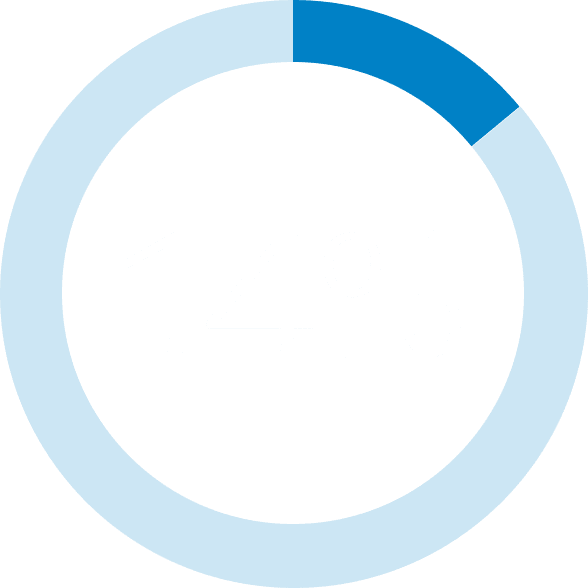
Organizations can expect to see a 6% increase in total sales costs.
Sales costs have climbed over the past two years, with Alexander Group projecting a 6% increase in total sales expenses—consistent with last year’s trend. WorldatWork’s 2025–2026 Salary Budget Survey also reports a 3.9% rise in salary increase budgets, continuing a multi-year upward trajectory.
There are two factors behind the rising sales compensation costs: increased pay levels and increased headcount numbers. The after-effects of the “Great Resignation” job trend and new pay transparency laws have reshaped employee expectations, prompting leaders to reevaluate sales compensation to stay competitive.
How can companies guarantee success and ensure that these ongoing sales compensation costs are worthwhile? Leaders can boost pay-for-performance, which directly links an employee’s pay to their performance results.
With over two-thirds of firms facing year-over-year increases to their sales compensation cost of sales (COS), leaders want to see a return on this financial investment. That’s why companies are aiming to maximize productivity.
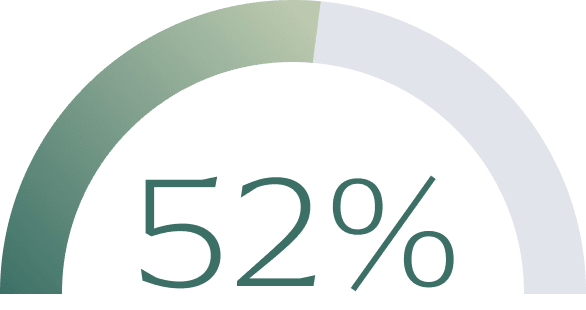
52% of Alexander Group’s survey respondents said that their top sales compensation objective is to drive productivity. One way that companies can do is by assessing and modifying their sales compensation plans for success.
By managing sales compensation COS, leaders can make sure they are maximizing their sales compensation plan’s return on investment.

As of August 2025, the U.S. Bureau of Labor Statistics recorded the unemployment rate at only 4.3%. And according to our survey, 68% of firms anticipate increasing their sales headcount in 2025, the highest rate recorded since 2019.
Despite these strong numbers, employee migration is at an all-time low. Today’s market uncertainty has made many employees hesitate to pursue new opportunities. The 2025 job market, dubbed the “Great Freeze,” is also limiting opportunities for entry-level, new employees who could grow to be top performers.
If leaders want to strengthen their sales compensation programs in today’s competitive and complex market, they must use multiple talent management levers (job architecture, sales compensation plans, etc.) to attract and retain top talent.
To drive growth in today’s uncertain market, many leaders are looking for ways to be more efficient in their company’s day-to-day workflow. That’s why forward-thinking executives have turned to artificial intelligence (AI) to improve processes.
41% of companies have started incorporating AI into sales compensation workflows, ranging from analytics and costing to pay levels and administration. As an ever-evolving intelligence network of logic, learning and language, AI is already helping leaders enhance certain aspects of sales compensation.
While AI adoption continues to grow, its true impact has yet to be realized. Organizations and leaders are still trying to figure out how AI fits into their workflows and larger business growth goals. For driving growth, leaders must restructure people, processes and, notably, AI to scale.

For decades, leaders have struggled with issues surrounding quota. This year is no different, with 44% of firms saying that setting accurate quotas is their second largest sales compensation challenge and 38% of firms citing getting quotas out on time as the fourth largest problem.
With quotas presenting challenges across different areas, it’s essential that leaders optimize quota practices to ensure that their practices align with strategy and goals.
These survey trends illustrate the complex and rapidly evolving market environment that commercial leaders are facing. How can effective leaders use sales compensation to navigate these issues?
The trends highlighted by this year’s survey demand a strategic response. Take a closer look in the next section at the five core tenets of sales compensation and share real-world examples of how leaders are putting each tenet into practice.